
Wichita Falls, TX · Answered 24/7
Water Filtration and Softener Installation in Wichita Falls, TX
Wichita Falls has some of the hardest water in Texas. We install and maintain whole-home water softeners and filtration systems that reduce scale buildup, extend appliance life and improve the water at every tap in your house.
- Whole-home water softener installation and repair
- Water filtration systems for taste, sediment and contaminants
- Extends water heater, fixture and appliance lifespan
Direct answer
Do I need a water softener in Wichita Falls?
Wichita Falls municipal water carries a high mineral load that leaves white scale deposits on fixtures, builds sediment in water heaters and shortens the life of appliance heating elements. A whole-home water softener removes calcium and magnesium before the water reaches your plumbing, which reduces scale, makes soap lather properly and extends the life of your water heater, dishwasher and washing machine. We also install carbon filtration and reverse osmosis systems for taste, odor and contaminant concerns.
White buildup on fixtures? Scale in your water heater?
That is hard water doing what it does. Call (940) 310-1165 and we will test your water hardness, recommend the right system for your household and install it with proper bypass valves and drainage.
The cost of doing nothing
Hard water is damaging your plumbing right now
Scale from hard water does not just leave white spots on your fixtures. It coats the inside of your water heater, reducing efficiency by up to 25 percent as the buildup thickens. It narrows supply lines, particularly galvanised pipe, reducing flow and pressure over time. It clogs aerators and showerheads, wears out washing machine valves and dishwasher components faster, and leaves soap scum on every surface because hard water prevents soap from lathering properly.
The total cost of hard water in a Wichita Falls home over the life of a water heater, a set of fixtures and the major appliances that use water is several times the cost of a water softener installation. The softener pays for itself, and everything downstream of it lasts longer.
How softeners work
Ion exchange is simple once it is installed correctly
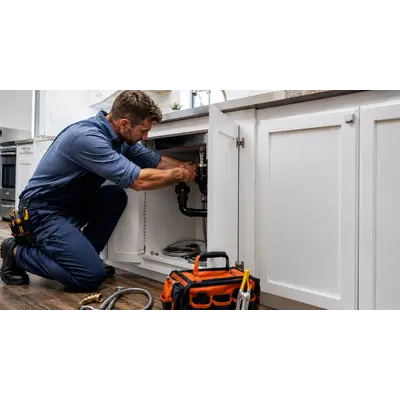
A water softener uses a resin bed that attracts and holds calcium and magnesium ions, replacing them with sodium ions. As water flows through the resin tank, the hardness minerals are captured and soft water flows to your fixtures. When the resin bed is saturated, the unit regenerates automatically by flushing a brine solution through the resin, washing the collected minerals down the drain and recharging the bed with sodium.
Correct installation requires sizing the unit to your household flow rate and hardness level, connecting the drain line to an approved discharge point, installing a bypass valve for maintenance, and programming the regeneration schedule to match your usage pattern. A unit that is too small regenerates too often and wastes salt. A unit that is too large sits idle and the resin can develop channelling that reduces effectiveness.
How the job runs
Our water softener installation process
Every softener installation follows the same sequence for correct sizing, placement and commissioning.
- 01
Test the water
We measure hardness, iron content and pH to determine exactly what treatment the water needs, not more, not less.
- 02
Size the system
The softener capacity is matched to your household size, water usage and hardness level so the unit regenerates at the right frequency.
- 03
Choose the location
The unit goes where the main supply enters the house, before it branches to fixtures, with access to a drain for regeneration and space for salt refills.
- 04
Install plumbing
The softener is plumbed into the main supply with a bypass valve so the system can be serviced without shutting off the house.
- 05
Program and commission
Regeneration timing, hardness setting and salt dosing are programmed based on the test results and household size.
- 06
Confirm and educate
We test the output water, confirm hardness is within target and show you how to add salt and read the unit display.
Warning signs
Signs your water is too hard
- White or chalky buildup on faucets, showerheads and fixtures
- Soap does not lather well and leaves a film on skin and hair
- Spots and film on glassware and dishes after the dishwasher
- Stiff or scratchy laundry even with fabric softener
- Water heater making popping or rumbling noises from scale buildup
- Reduced water flow from aerators and showerheads
- Dry, itchy skin after bathing
Before we arrive
What helps us quote your softener installation
- Know where your main water supply enters the house
- Check whether there is a drain nearby for the regeneration discharge
- Note how many people live in the house and your general water usage
- Check if you have a water test report from the city or a previous test
- Clear access to the area where the main supply enters the house
Why us
Why Wichita Falls homeowners trust us for water treatment
We test before we recommend
We measure your actual water hardness and chemistry rather than assuming. Different water needs different treatment.
Correctly sized systems
A softener that is too small wastes salt and wears out fast. A softener that is too large channels and underperforms. We size to your actual household.
Bypass valve on every install
So the system can be serviced, the resin replaced or the unit swapped without shutting off water to the house.
Well water expertise
Rural properties around Wichita Falls often need iron filters, sediment filters or UV treatment in addition to softening. We install multi-stage systems when the water test calls for it.
Maintenance support
We set up the regeneration schedule, show you how to add salt and are available for annual resin checks and system tune-ups.
Water quality in Wichita Falls
What makes Wichita Falls water some of the hardest in Texas
Wichita Falls draws its water from Lake Arrowhead and Lake Kickapoo, both surface reservoirs with high mineral content from the surrounding limestone and gypsum geology. The result is municipal water that consistently tests above 10 grains per gallon, placing it firmly in the very hard category. Some neighbourhoods test higher depending on the distribution path.
Outside city limits, homes on well water in Iowa Park, Burkburnett, Archer City and the surrounding acreage often have even harder water plus iron, manganese or hydrogen sulphide that requires additional treatment stages beyond a basic softener. We test the well water and recommend only what the results show is needed.
Pricing
What does a water softener cost in Wichita Falls?
Water softener costs depend on the unit capacity, the hardness level of your water, household size and whether additional filtration is needed.
We test your water, recommend the right size and provide a written quote that includes the unit, installation, bypass valves and drain connection. Call (940) 310-1165 for a specific estimate.
Service area
Local plumbers near you in Wichita Falls and surrounding towns
This service is available across our full service area at the same affordable rates. Pick your town for local detail.
FAQ
Questions we get asked on the phone
How hard is Wichita Falls water?
Will a softener make my water taste salty?
How often does a water softener need maintenance?
Do you install water filtration for well water?
Related services
Other work that often comes with this job
Water Heater Repair & Installation
Repair, replacement and code-correct installs for gas, electric and tankless.
Read morePipe Repair & Repiping
Section repairs and planned whole-home repipes in PEX or copper.
Read moreWell Pump Services
Well pump repair, replacement and pressure tank service for rural properties.
Read moreOne call ends it
Stop letting hard water shorten the life of your plumbing
A water softener pays for itself in longer appliance life, fewer fixture replacements and lower water heater energy costs. Call (940) 310-1165 and we will test your water, size the right system and install it properly.
Call (940) 310-1165